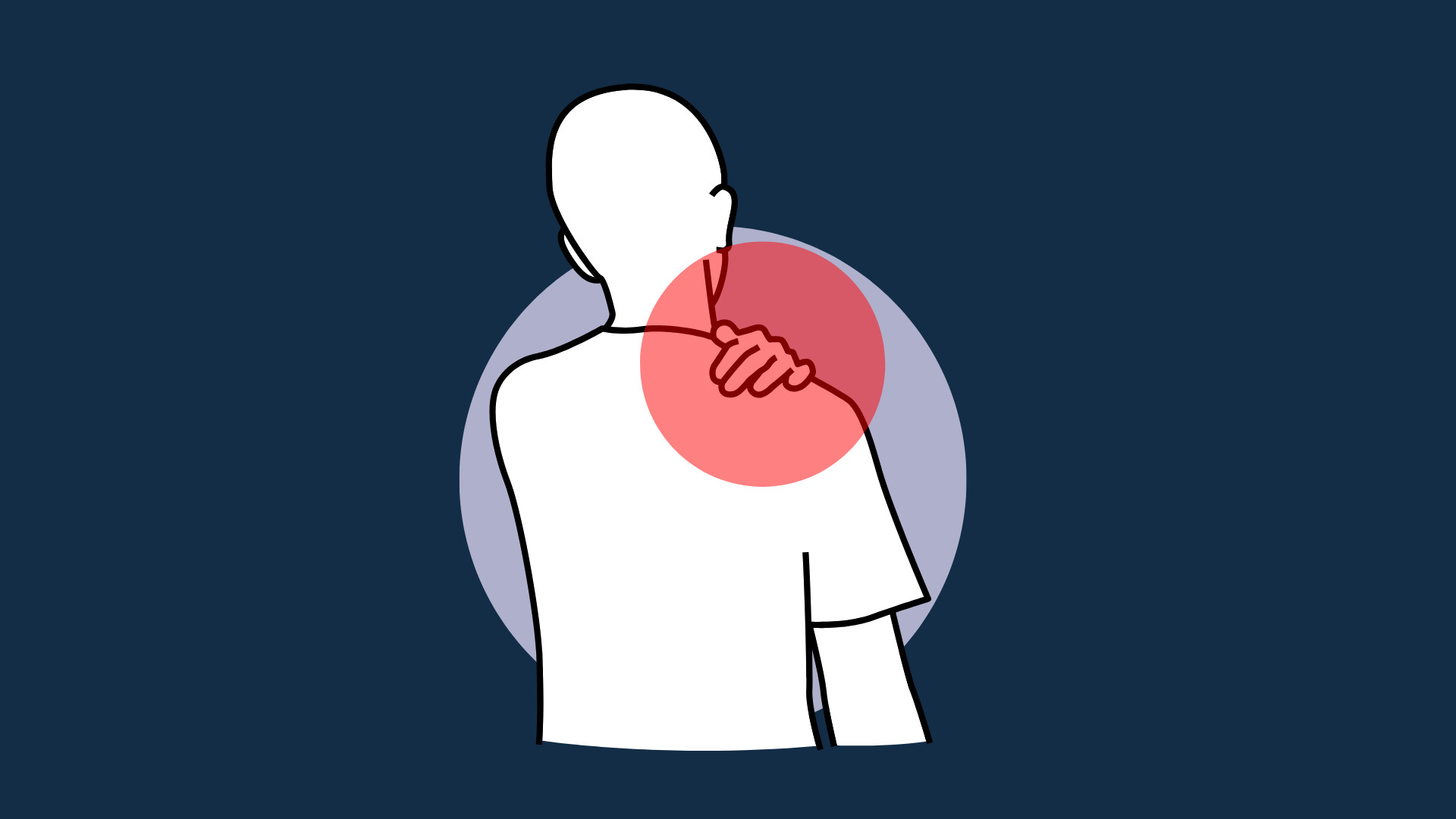
Why Does My Shoulder Feel Stuck?
A “stuck” shoulder is one of the most common complaints we see. You may feel tightness, restriction, clicking, or the sensation that your shoulder just doesn’t move the way it should — especially when reaching overhead or behind your back, this is the most common symptom.
The good news? In most cases, a stuck shoulder is not a serious problem, and with the right rehabilitation approach, it can improve significantly.
Common Reasons Your Shoulder Feels Stuck
There are many possible diagnoses, but the three most common reasons are:
- Shoulder Impingement
Shoulder impingement occurs when the space within the shoulder joint becomes reduced during movement. Think of it as a lot of structures within a tight space, this causes muscles and tendons to bump and rub against certain structures causing pain.
When pain is present, the body reacts by tightening surrounding muscles to protect the joint. Over time, this protective response can make the shoulder feel stiff and blocked.
- Rotator Cuff Tendinopathy
The rotator cuff muscles play a vital role in controlling the position of the shoulder joint.
When these muscles are weak, overloaded, or not working together properly:
- The shoulder loses control
- Movement becomes less efficient
- Other muscles tighten to compensate
This loss of control often presents as stiffness rather than sharp pain.
- Posture-Related Issues
Poor posture, especially prolonged sitting or desk work, can place the shoulder in a forward and rounded position.
Over time, this can:
- Limit shoulder blade movement
- Reduce joint space
- Increase muscle tension around the neck and shoulders
This does not mean posture is “bad,” but rather that the body has adapted to certain positions for too long without variety or support.
Why Rehabilitation Works for a Stuck Shoulder?
Rehabilitation does not focus on forcing movement or aggressive stretching. Instead, it works by restoring control and confidence in the joint.
Rehab helps by:
- Improving shoulder blade control
- Strengthening underactive or “loose” muscles
- Restoring space within the shoulder joint
- Gradually exposing the shoulder to safe movement
As control improves, the nervous system relaxes, muscle guarding reduces, and movement begins to feel easier again
The Key Takeaway
A stuck shoulder is rarely just a flexibility problem.
Pain leads to loss of control.
Loss of control leads to muscle guarding.
Muscle guarding creates stiffness and the feeling of being blocked.
The solution is not rest or avoidance — it is the right kind of movement.
With structured rehabilitation, the shoulder can relearn how to move smoothly, strongly, and confidently again.

Wanting the Full Shoulder Program, join My Next Move –
🎯 For only R250/month, you get:
- This shoulder program + new programs every month
- 1x online consult to guide your journey (15-20 minutes)
- Access to our symptom tracker and referral support
- Slow Movement programs
[🔗 Unlock the Program → Join My Next Move]
/
💬 If you have any questions or would like to learn more about My Next Move or today’s blog topic, don’t hesitate to reach out to us at info@traversehealth.co.za.
Yours in health,
The Traverse Health Team