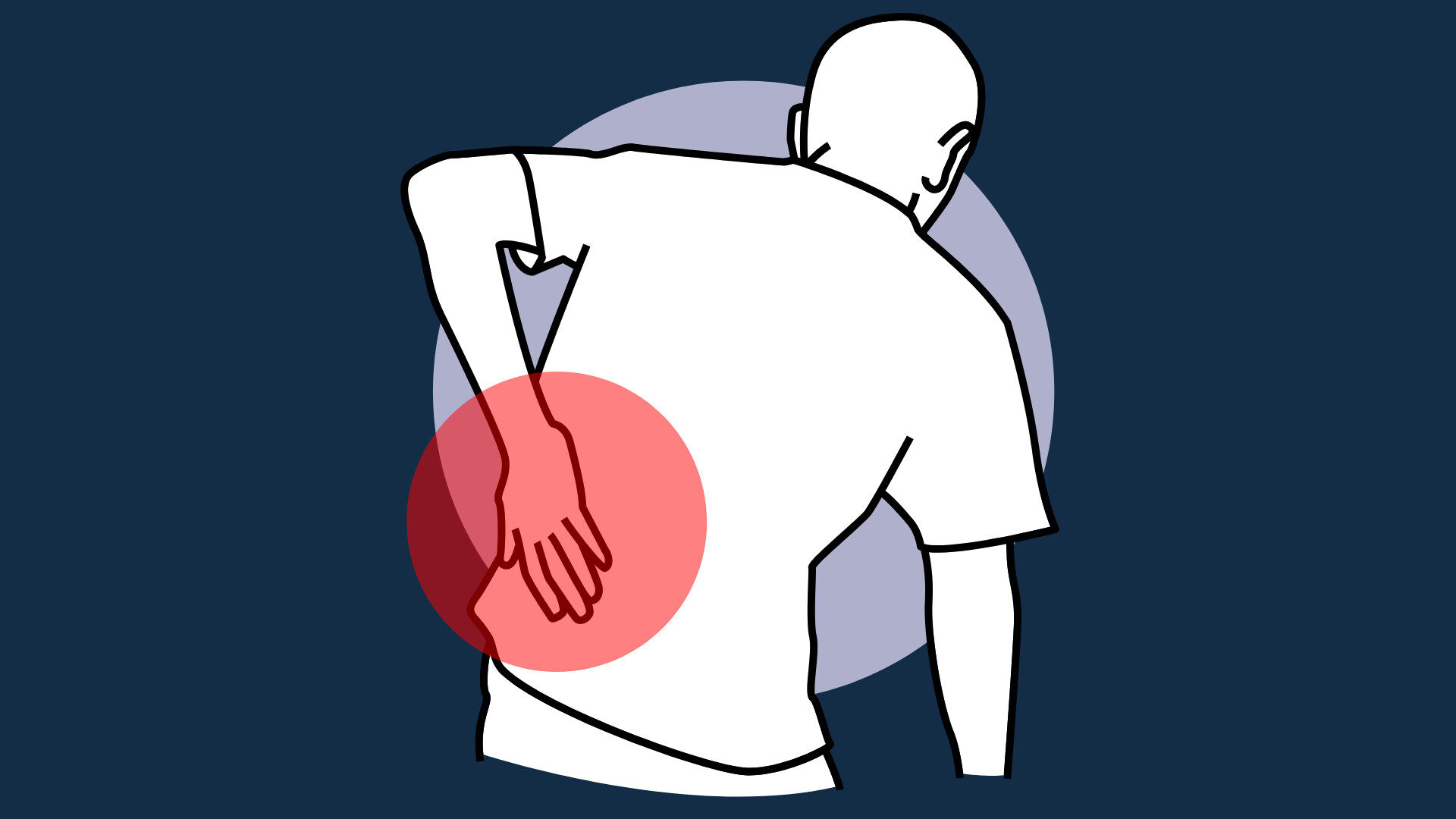
For many individuals experiencing chronic lower back pain, the symptoms are often dismissed as simple “mechanical” strain. However, when back pain is characterized by morning stiffness that improves with activity but worsens with rest, we must look deeper into inflammatory etiologies.
As a biokineticist, my clinical focus is on movement-based rehabilitation. While Ankylosing Spondylitis (AS) is a systemic condition, your primary line of defense and maintenance of quality of life is therapeutic exercise.
What is Ankylosing Spondylitis?
Ankylosing Spondylitis is a chronic, inflammatory autoimmune disease that primarily affects the axial skeleton, particularly the sacroiliac (SI) joints and the vertebrae of the spine. The hallmark of AS is enthesitis which refers to inflammation at the sites where tendons and ligaments attach to bone. Over time, the body’s attempt to heal this inflammation can lead to the formation of new bone, causing the vertebrae to fuse together (ankylosis). This results in a significant loss of spinal mobility and the “bamboo spine” appearance often seen in advanced radiographic imaging.
Causes and Contributing Factors
The exact cause of AS remains a subject of ongoing research, but current scientific evidence points to a combination of genetic and environmental triggers:
- Genetic Predisposition: The HLA-B27 gene is a major risk factor. While not everyone with the gene develops AS, approximately 85-90% of patients diagnosed with the condition test positive for this marker.
- Immune System Dysregulation: The overactivation of certain cytokines (cell-signaling proteins), specifically IL-17 and TNF-alpha, drives the chronic inflammatory response.
- Environmental Triggers: Research suggests that changes in the gut microbiome or specific infections may trigger the onset of the disease in genetically susceptible individuals.
Signs and symptoms
To provide clinical clarity for your patients, it is essential to distinguish between “mechanical” back pain (from a strain or disc issue) and the inflammatory back pain characteristic of Ankylosing Spondylitis.
In a clinical setting, we look for a specific cluster of symptoms that point toward systemic inflammation rather than structural wear and tear.
1. The Hallmark: Inflammatory Back Pain (IBP)
Unlike a typical back injury where you feel worse after a long day of moving, AS presents with a “paradoxical” pain pattern.
- The “Gelling” Phenomenon: Patients often report feeling “stiff as a board” upon waking. This morning stiffness typically lasts longer than 30 minutes and often up to several hours.
- Improvement with Activity: This is the most diagnostic indicator. Movement creates a “pump” action that helps clear inflammatory byproducts from the joint space.
- Night Pain: Many patients experience significant pain in the second half of the night, often forcing them to get out of bed and walk around to find relief.
2. Enthesitis: Pain Beyond the Spine
As mentioned, AS targets the enthesis (where tendons meet bone). Patients may not realize these “random” aches are connected to their back pain:
- Plantar Fasciitis: Sharp pain in the heel or the arch of the foot.
- Achilles Tendonitis: Swelling and tenderness at the back of the heel.
- Costochondritis: Inflammation where the ribs meet the breastbone. This can cause chest tightness or pain when taking a deep breath, often mistaken for cardiac or lung issues.
3. Systemic “Red Flag” Symptoms
Because AS is an autoimmune disease, it is not localized solely to the musculoskeletal system. Patients should be screened for:
- Uveitis (Iritis): About 30% of patients will experience sudden redness, pain, and light sensitivity in one eye. This is a medical emergency requiring a rheumatologist or ophthalmologist.
- Fatigue: This isn’t just “being tired.” It is a profound, systemic exhaustion caused by the body constantly fighting an internal inflammatory battle.
- Dactylitis: Often called “sausage digits,” where an entire finger or toe swells uniformly.
4. Postural Changes (The “Stoop”)
If left unmanaged, the chronic inflammation leads to structural remodeling. Patients may notice:
- Loss of Lumbar Lordosis: The natural curve of the lower back flattens out.
- Increased Thoracic Kyphosis: A pronounced rounding of the upper back.
- Forward Head Protraction: The neck juts forward to compensate for the mid-back curvature.
The Diagnostic Journey
Diagnosis is often delayed because AS symptoms can mimic general mechanical back pain. A clinical diagnosis is typically reached through:
- Clinical History: Identification of “inflammatory back pain” (pain lasting >3 months, age of onset <45, and significant morning stiffness).
- Imaging: X-rays can show damage to the SI joints, but MRI is the gold standard for early detection, as it can identify “bone marrow edema” before structural damage is visible.
- Laboratory Tests: Blood work to check for the HLA-B27 gene and elevated inflammatory markers such as C-Reactive Protein (CRP) and Erythrocyte Sedimentation Rate (ESR).
The Multidisciplinary Care Team
Managing AS requires a “Team Medicine” approach. Each specialist plays a distinct role in preserving your function:
| Specialist | Primary Role |
|---|---|
| Rheumatologist | The lead consultant. They manage pharmacological interventions, such as NSAIDs and biologics (TNF inhibitors), to dampen systemic inflammation. |
| Physiotherapist | They use manual therapy, soft tissue mobilization, and early-stage mobility work to reduce localized pain and stiffness. |
| Biokineticist | We prescribe specific loading protocols and corrective exercises to improve posture and prevent spinal fusion. |
While the “Big Three” (Rheumatologist, Physio, and Biokineticist) form the structural backbone of AS management, this condition is systemic. Because it can affect the eyes, heart, lungs, and gut, a truly comprehensive “Circle of Care” often requires several other clinical specialists to mitigate long-term risks.
1. Ophthalmologist (Eye Specialist)
This is perhaps the most critical “secondary” specialist.
- The Role: To monitor for and treat Acute Anterior Uveitis (inflammation of the iris).
- Why: Approximately 25-30% of AS patients will experience at least one episode of uveitis. It presents as a sudden painful, red, and light-sensitive eye. If not treated immediately with steroid drops, it can lead to permanent vision loss.
2. Dietitian (Clinical Nutritionist)
There is a profound “Gut-Joint Axis” in inflammatory arthritis.
- The Role: To design an anti-inflammatory dietary protocol (often focusing on Omega-3 fatty acids, antioxidants, and gut microbiome health).
- Why: Scientific evidence suggests that starch-heavy diets may fuel certain gut bacteria (like Klebsiella) that can trigger AS flares in HLA-B27 positive individuals. A dietitian helps manage the systemic inflammation that exercise alone cannot reach.
3. Occupational Therapist (OT)
While Biokineticists focus on movement, OTs focus on function.
- The Role: To provide ergonomic assessments and assistive devices for home or the workplace.
- Why: If a patient has significant spinal fusion, an OT can recommend specialized car mirrors, ergonomic chairs, or “reachers” to minimize strain during activities of daily living (ADLs), ensuring the patient remains independent and employed.
4. Psychologist or Clinical Counselor
Chronic pain is as much a neurological and emotional burden as it is a physical one.
- The Role: To provide Cognitive Behavioral Therapy (CBT) or Acceptance and Commitment Therapy (ACT).
- Why: The “Diagnostic Delay” (which averages 7-10 years for AS) often leaves patients with significant medical trauma, anxiety, or depression. Managing the mental load of a lifelong “invisible” illness is vital for treatment adherence.
5. Cardiologist and Pulmonologist
- The Role: To monitor heart and lung function.
- Why: * Cardiology: Chronic inflammation increases the risk of cardiovascular disease and aortic valve issues.
- Pulmonology: In advanced AS, the fusion of the ribs (costovertebral joints) can restrict chest expansion, leading to Restrictive Lung Disease. We work with these specialists to ensure our aerobic exercise prescriptions are dosed correctly for the patient’s respiratory capacity.
Conservative Management: Movement as the Gold Standard
In the world of biokinetics, we view movement not just as “staying fit,” but as a biological necessity to prevent the progression of spinal stiffness. Clinical studies consistently show that patients who engage in supervised exercise programs have significantly better spinal mobility than those who rely on medication alone.
For the Full Program:
Available now in our premium membership portal — My Next Move.
🎯 For only R250/month, you get:
- This back program + new programs every month
- 1x online consult to guide your journey (15-20 minutes)
- Access to our symptom tracker and referral support
- Slow Movement programs
Yours in health,
The Traverse Health Team